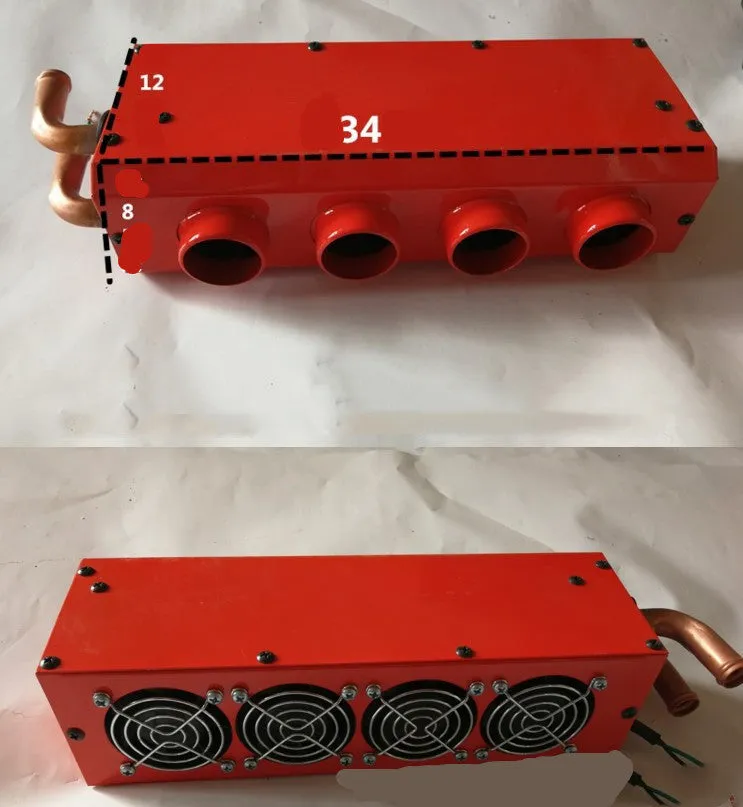
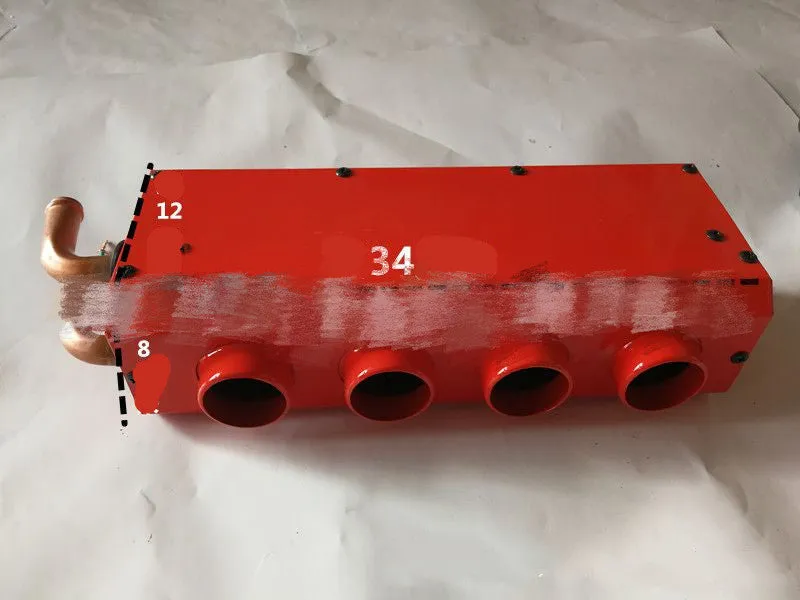
Car Heater 12V 24V 60W Four Hole Copper Pipe Engine Coolant Heater, Small 34 x 12 x 8 cm Metal Core Heater Core Unit for Vehicle Cabin Heating and Windscreen Defrosting with Manual Control


Car Heater 12V 24V 60W Four Hole Copper Pipe Engine Coolant Heater, Small 34 x 12 x 8 cm Metal Core Heater Core Unit for Vehicle Cabin Heating and Windscreen Defrosting with Manual Control
12V 24V 60W Car Heater Core: Compact Copper Pipe Unit for Cabin Heating
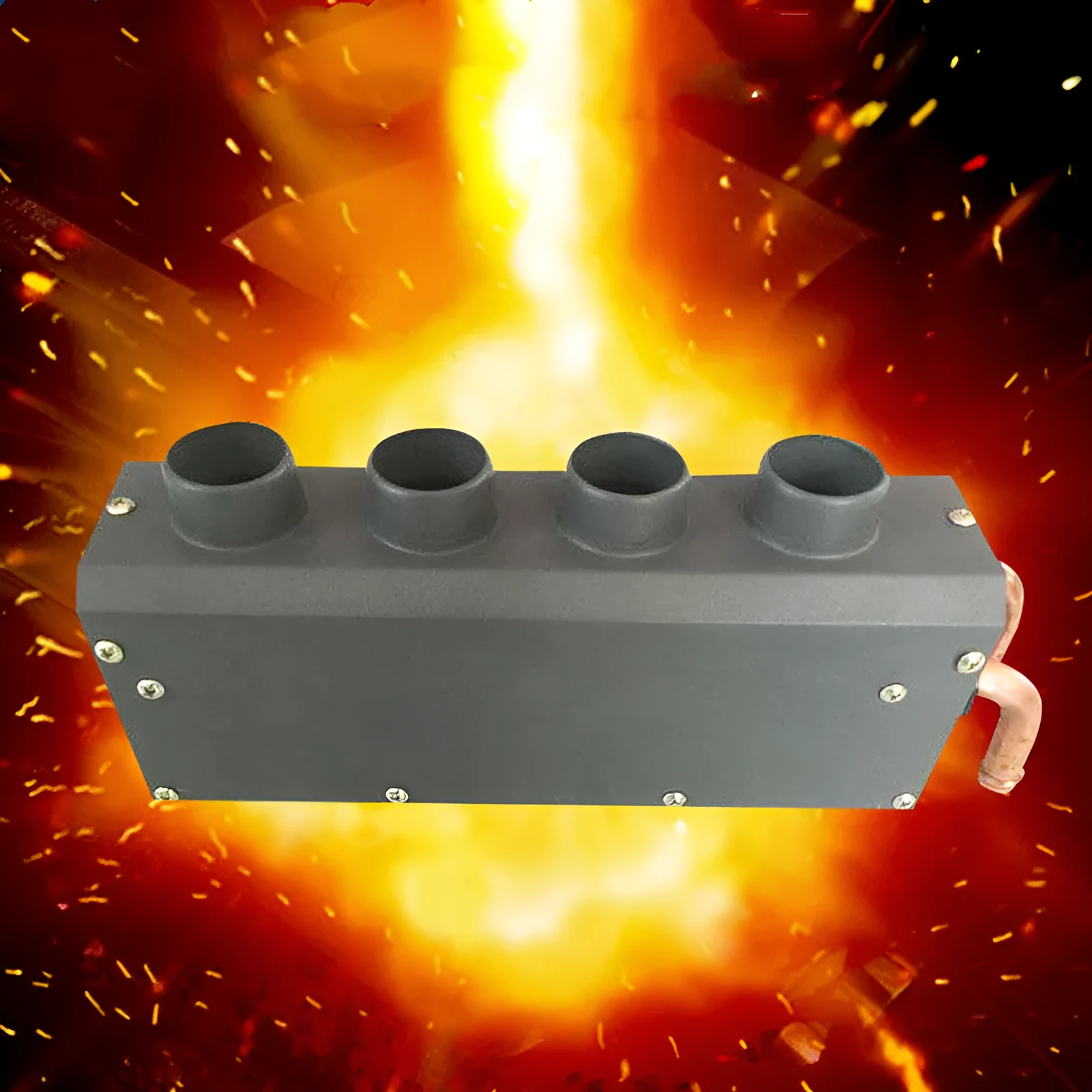
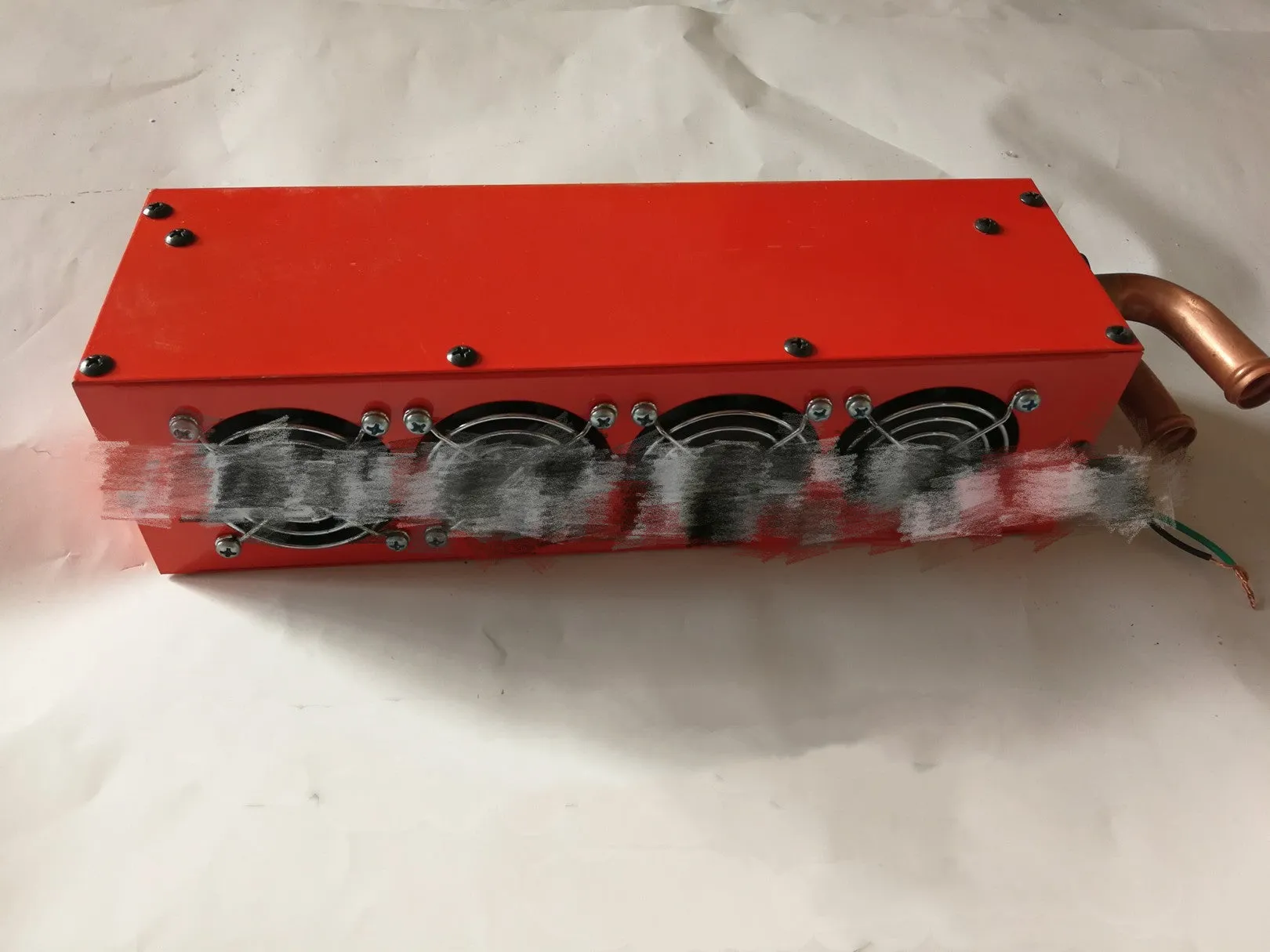
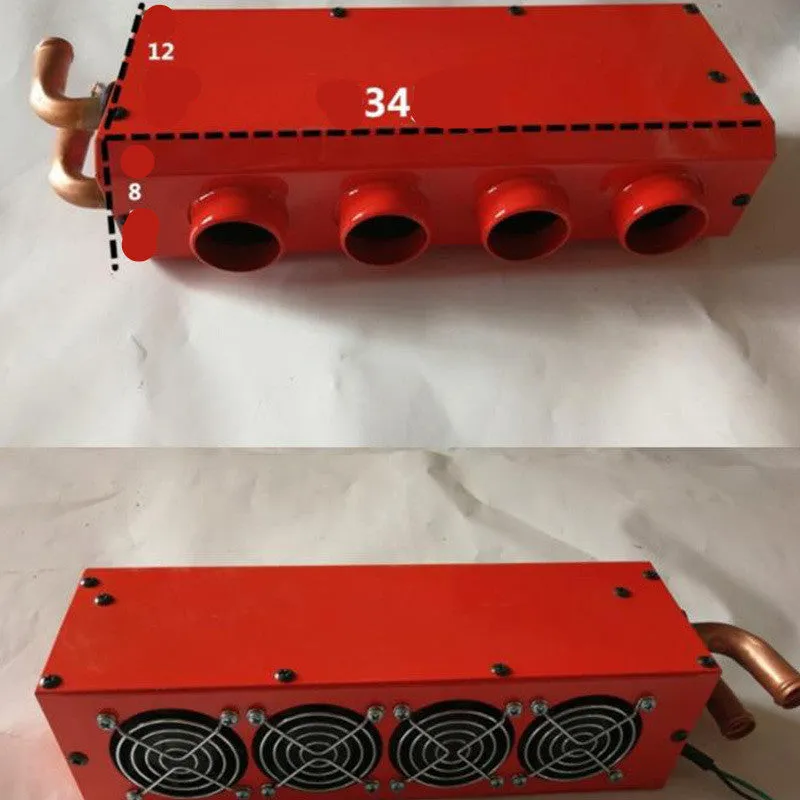
This compact car heater is designed to utilise the existing thermal energy from your vehicle's engine to provide a reliable source of warmth inside the cabin. By integrating into the engine's cooling system, it taps into the waste heat from the coolant, offering a continuous supply of hot air as long as the engine is running. The unit is a self-contained heater core, constructed from metal and featuring a four-hole copper pipe design at its heart for efficient heat exchange. Measuring 34 cm by 12 cm by 8 cm, its small size allows for flexible installation options in various vehicles. Operating on a standard 12V or 24V DC electrical system and drawing 5A at 60W, it powers a blower to distribute the warmed air, serving the dual purpose of passenger comfort and clearing ice from the windscreen.
Features and Construction
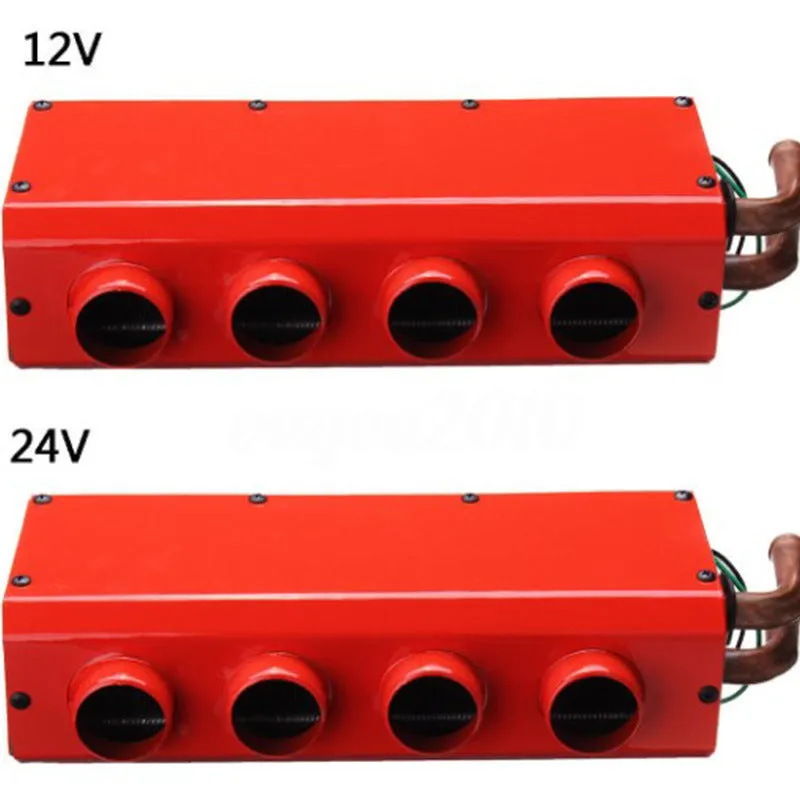
The heater's functionality is built around a practical and mechanical design, focusing on transferring engine heat into the cabin. Its construction and specifications are geared towards integration with your vehicle's existing systems.
Material and Build
The core of this heater is built from robust metal materials, housing the critical heat exchange components. The primary heat transfer element consists of copper piping arranged in a four-hole configuration, chosen for its effective thermal conductivity. This copper core is responsible for absorbing heat from the engine's circulating coolant. The surrounding housing and structural parts are also made from metal, providing a durable enclosure for the internal blower motor and electrical connections. The build is focused on creating a reliable thermal junction point between the engine's cooling circuit and the vehicle's air distribution system.
Size and Practical Fit
With external dimensions of 34 centimetres in length, 12 centimetres in width, and 8 centimetres in depth, this heater core is designed to be a relatively small component. This compact form factor is a key practical consideration, as it must fit within the often limited space available in a vehicle's engine bay or dashboard area for heater box installation. The small size does not compromise its function as a heat exchanger; it is engineered to provide sufficient surface area for the coolant to transfer its thermal energy to the air that will be blown into the cabin. The physical scale of the unit makes it a viable option for a range of car and light commercial vehicle applications.
Uses and Placement
This heater unit serves specific roles in vehicle climate management, moving beyond basic comfort to address visibility and safety. Its placement and integration are central to its operation.
Event or Professional Use
For professional or commercial vehicle operators, such as those in delivery vans or utility trucks, a reliable cabin heater is essential for driver comfort during long shifts, especially in colder climates. This unit, by leveraging constant engine heat, ensures warmth is available without placing significant additional load on the vehicle's electrical system, beyond the 60W needed for the blower motor. Its ability to defrost the windscreen is also a critical safety feature, allowing drivers to maintain clear visibility quickly after starting the engine, which is vital for early morning starts or during winter operation. The manual control provides straightforward, direct management of the heating output.
Everyday Home Use
For everyday drivers, this heater core represents a way to retrofit or replace an existing cabin heating system. It provides the primary function of warming the car's interior during commutes and family journeys, using a method that is inherently efficient as it recovers otherwise wasted engine heat. The defrosting capability is equally valuable for personal use, quickly dealing with frost or condensation on the windscreen on cold mornings. The technical nature of the installation, involving cutting coolant pipes and making secure electrical connections, means it is a task suited for those with mechanical experience or a professional garage, ensuring the vehicle's cooling system remains sealed and functional.
Benefits and Buying Value
The value of this product lies in its direct, mechanical approach to solving a common need, offering longevity and integration with the vehicle's own systems.
Reuse and Low Maintenance
Once installed, this heater core requires minimal ongoing maintenance, as it has no consumable parts and its operation is tied to the simple mechanics of heat exchange and air movement. The system reuses the engine's continuous cycle of heated coolant, creating a 'small cycle' between the engine radiator and the heater's own radiator. Because the heater radiator lacks a thermostat, the heat source remains available whenever the engine is running. The durability is linked to the quality of the installation and the materials used; the metal and copper construction is chosen for its resilience in the high-temperature environment of an engine bay. There are no complex electronics to fail, just the DC motor for the blower.
Why Choose This Product
This heater core is a specific solution for adding or repairing cabin heating in a vehicle. Its main advantage is the use of a free heat source—the engine's coolant—which makes it energy-efficient in terms of fuel use for heating. The provision for both 12V and 24V operation increases its compatibility with different vehicle electrical systems. The concrete specifications of its 60W power draw, 5A current, and compact 34x12x8 cm size provide clear technical parameters for checking suitability. Choosing this unit involves recognising it as a core component for a heating system, requiring proper installation to connect it to your car's cooling pipes and electrical supply, after which it should deliver reliable, engine-dependent warmth.