USB C Card Reader PD Computer Hub with 7-in-1 interface, supporting simultaneous USB 3.0 data transfer, 4K HDMI video output, and 100W Power Delivery pass-through charging for laptops and mobile devices


USB C Card Reader PD Computer Hub with 7-in-1 interface, supporting simultaneous USB 3.0 data transfer, 4K HDMI video output, and 100W Power Delivery pass-through charging for laptops and mobile devices
LQT-LH07 USB C Card Reader PD Computer Hub with 7-in-1 Interface and Power Delivery
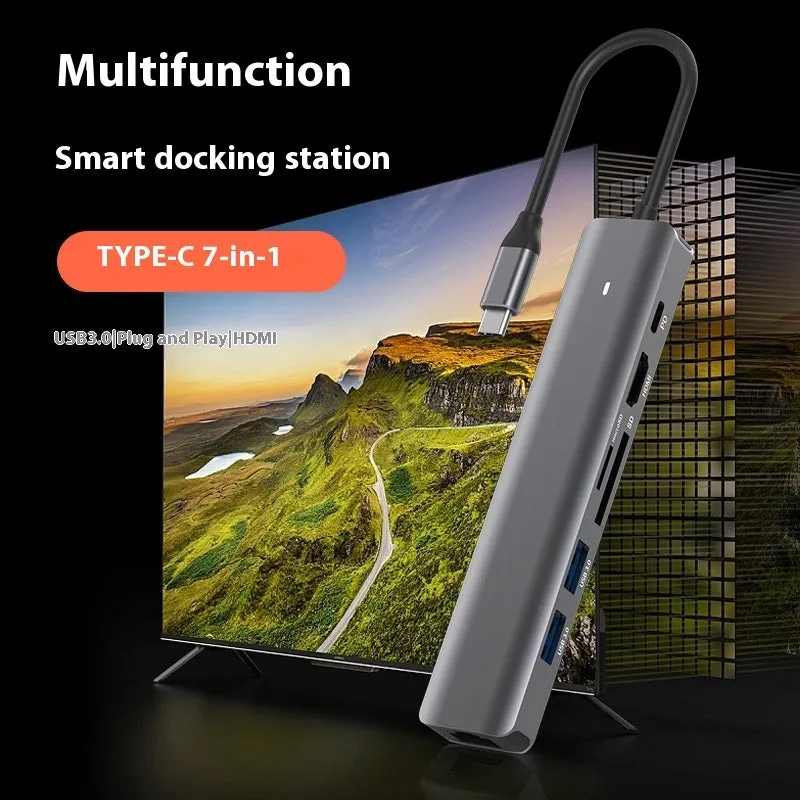
The LQT-LH07 represents a comprehensive connectivity solution for modern computing devices, integrating seven essential ports through a single USB Type-C connection. This compact hub addresses the common challenge of limited ports on contemporary laptops and mobile devices, providing expanded functionality without sacrificing portability. With its combination of data transfer, video output, charging, and card reading capabilities, the hub serves as a practical workstation accessory for both professional and personal computing environments. The design prioritises simultaneous functionality, allowing users to maintain device charging while utilising other hub features. Available for customised processing with printed logos, the hub offers flexibility for corporate or branded implementations while maintaining its core technical specifications across all versions. Its operation without external power supply simplifies setup and enhances mobility, making it suitable for both fixed office setups and mobile work scenarios.
Features and Construction
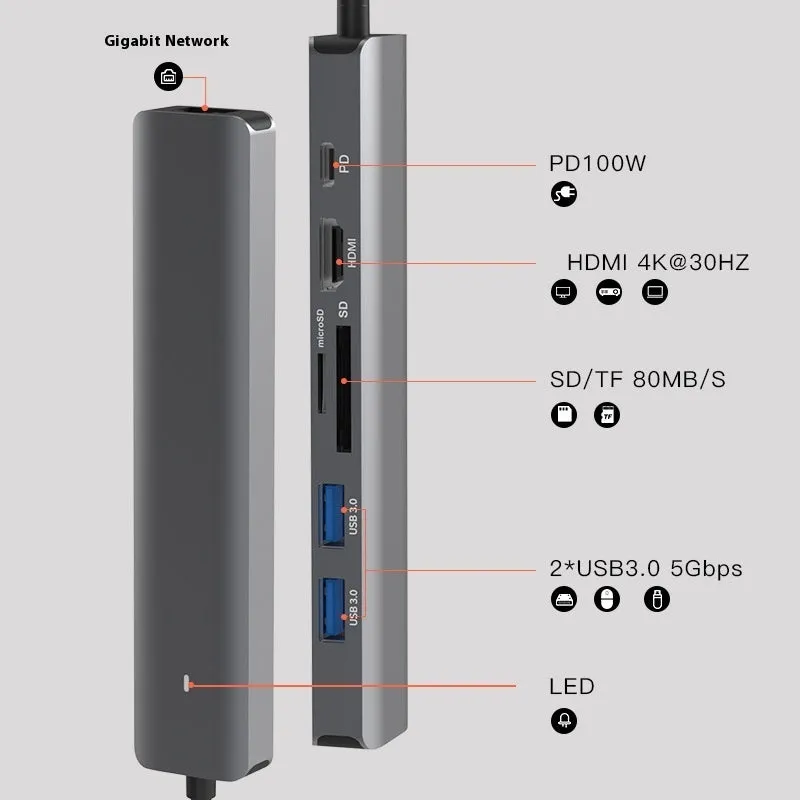
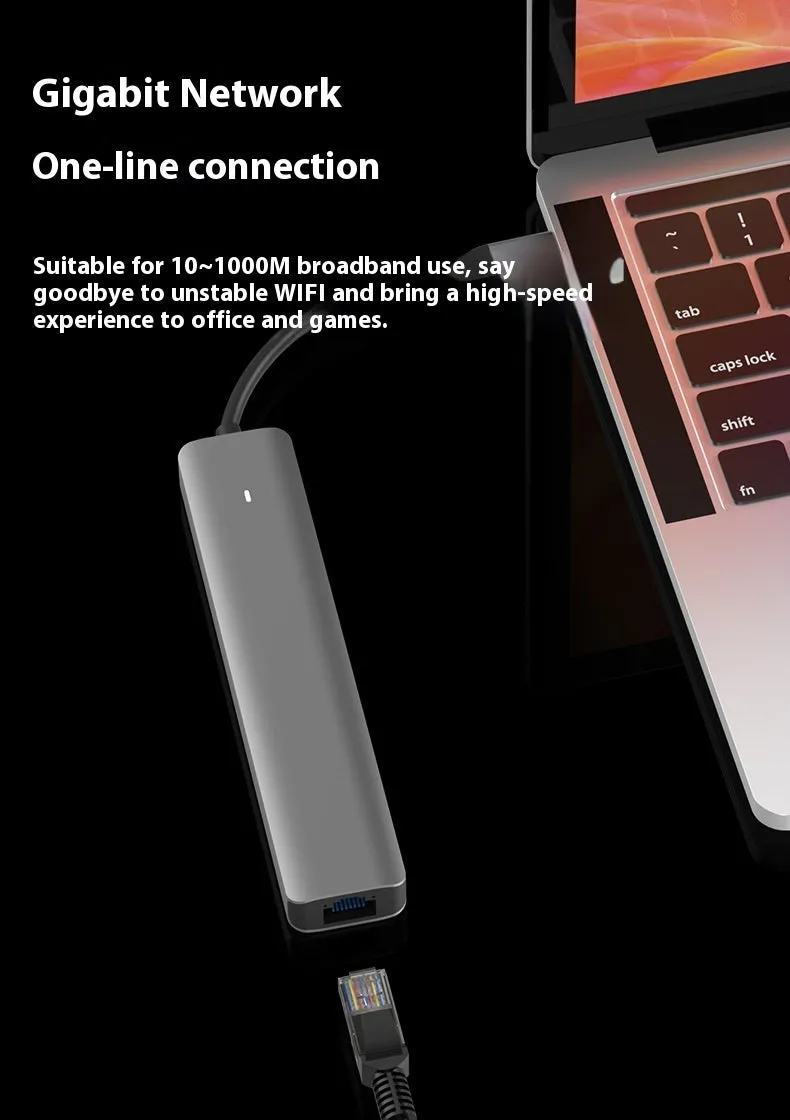
The hub's construction centres around its 7-in-1 interface configuration, which consolidates multiple connection types into a single integrated unit. The design achieves practical functionality through careful port arrangement and signal management within the hub's compact form factor. Each interface maintains standard specifications for compatibility with common peripherals and accessories, ensuring reliable performance across various use scenarios. The internal circuitry manages power distribution and data routing efficiently to support simultaneous operation of multiple connected devices. The physical construction utilises materials appropriate for heat dissipation and structural integrity during regular use.
Material and Build
The hub employs standard USB C connector materials with aluminium housing components that provide both durability and electromagnetic shielding. The internal printed circuit board incorporates surface-mount technology for component integration, allowing the multiple interfaces to function within the constrained space of the hub enclosure. Standard hub casing materials facilitate heat dissipation during extended operation, particularly when utilising the Power Delivery charging functionality alongside data transfer operations. The construction follows conventional USB hub manufacturing approaches that balance cost-effectiveness with functional reliability. Connection points feature reinforced soldering for repeated plug-and-unplug cycles typical of daily hub usage patterns.
Size and Practical Fit
The hub maintains dimensions compatible with common laptop profiles and workspace arrangements. Its form factor considers both port accessibility and cable management, with connections arranged to minimise interference between simultaneously attached cables. The USB C connector's positioning allows for convenient connection to various device orientations without obstructing adjacent ports on the host computer. The overall size supports easy transportation alongside laptops and mobile devices, fitting within standard computer bags and cases. The hub's weight distribution ensures stable positioning on work surfaces during use, preventing unwanted movement when multiple cables are connected. Its physical design accommodates the thermal requirements of simultaneous high-speed data transfer and Power Delivery charging operations.
Uses and Placement

This 7-in-1 hub serves multiple roles across different computing environments, from formal office settings to mobile workstation configurations. Its interface selection addresses the most common connectivity needs for modern productivity tasks, content creation workflows, and presentation scenarios. The hub's capability to function without external power expands its placement options to include locations with limited power outlet access. Simultaneous functionality allows users to maintain essential workflows while charging their primary devices, supporting uninterrupted operation during extended work sessions.
Event or Professional Use
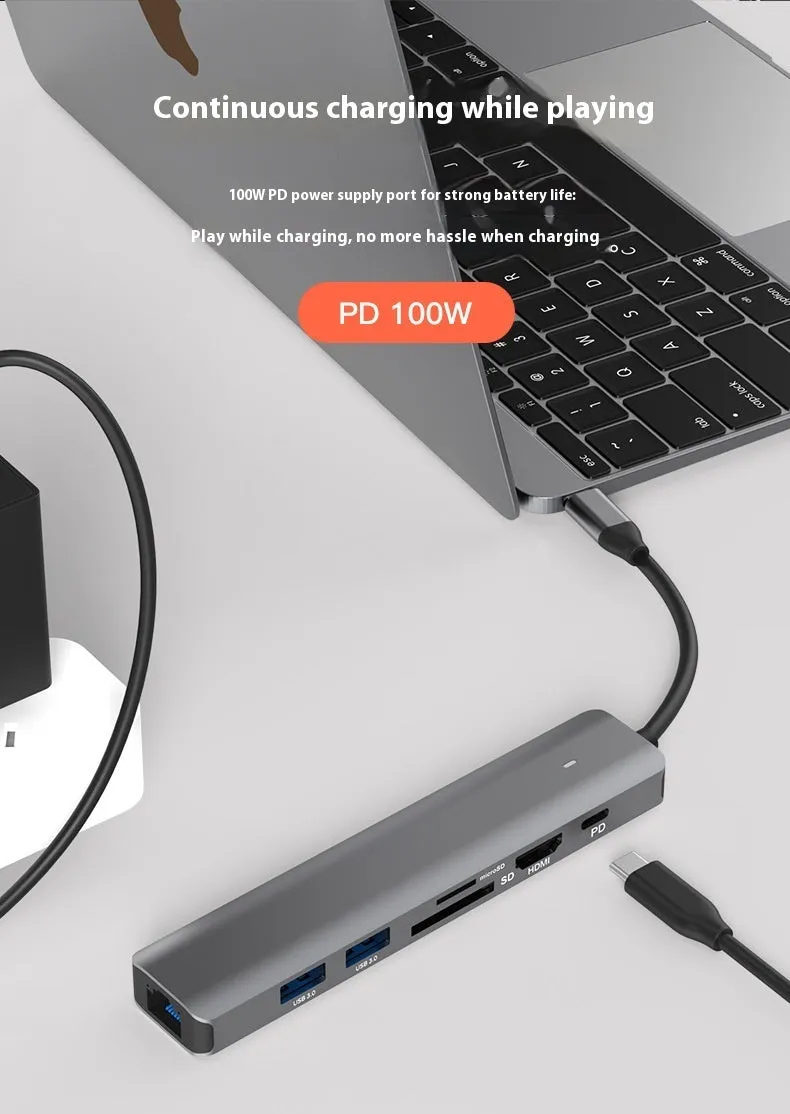
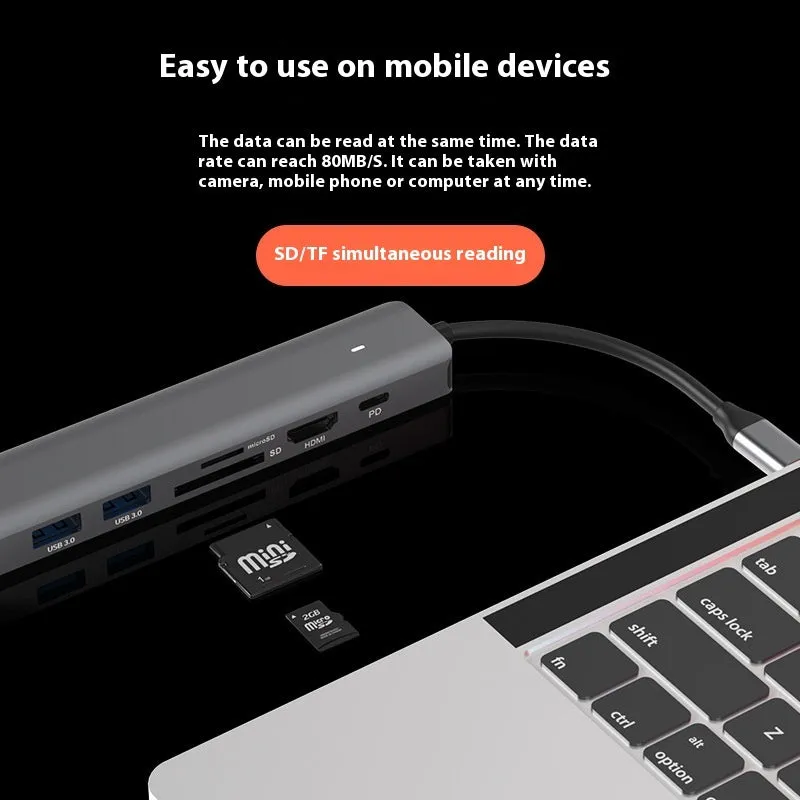
In professional settings, the hub facilitates presentations through its 4K HDMI output capability, connecting laptops to projectors and large-format displays with high-resolution video support. The SD card reader provides immediate access to photographic and video content during client meetings or creative reviews. Multiple USB 3.0 ports allow connection of presentation peripherals such as wireless presenter tools, external storage for backup, and input devices for interactive sessions. The Power Delivery pass-through charging ensures presenter laptops maintain adequate battery levels throughout extended events or conferences. The hub's compact form factor makes it suitable for inclusion in presenter kits and mobile office setups where space is limited but connectivity requirements are comprehensive.
Everyday Home Use
For home computing environments, the hub expands connectivity options for laptops with limited built-in ports, supporting peripherals such as external hard drives, printers, and input devices simultaneously. The HDMI output enables connection to televisions or monitors for media consumption, gaming, or additional screen real estate. The SD card reader simplifies photo and video transfer from cameras and other media devices without requiring separate adapters. Power Delivery charging supports laptop power needs while other ports remain available for household peripherals. The hub's operation without external power reduces cable clutter on home desks and workspaces, creating cleaner setup arrangements. Its multi-function design reduces the need for multiple separate adapters, consolidating connectivity into a single manageable unit.
Benefits and Buying Value

The hub's value proposition centres on port consolidation and simultaneous functionality, reducing the need for multiple separate adapters while maintaining comprehensive connectivity. Its design addresses the specific challenge of modern laptops with limited port selections, providing expanded capabilities without compromising device portability. The integration of Power Delivery charging alongside data transfer functions represents a practical solution for maintaining device operation during intensive usage periods. The availability of customised processing with printed logos offers additional value for corporate and institutional buyers seeking branded accessories.
Reuse and Low Maintenance
The hub's standard interface compatibility ensures longevity across multiple device generations, supporting both current and future USB C-equipped computers. Its construction utilises components with expected lifespans appropriate for regular consumer electronics use, requiring minimal maintenance beyond basic care. The absence of moving parts in most interfaces reduces potential failure points compared to more complex connectivity solutions. The hub's multi-function design decreases the need for purchasing separate adapters for different connection types, representing both economic and practical efficiency. Standard cable compatibility means users can employ existing peripherals without requiring specialised connectors or additional purchases.
Why Choose This Product
This hub distinguishes itself through its specific combination of 7-in-1 functionality with 100W Power Delivery pass-through charging, a configuration that addresses both connectivity expansion and power management needs simultaneously. The integration of SD card reading alongside standard USB and video ports creates a more comprehensive solution than basic port replicators. The option for customised processing with printed logos provides additional utility for business users requiring branded accessories. The hub's operation without external power supply simplifies setup and increases placement flexibility compared to powered docking stations. Its specific interface selection focuses on the most commonly used connections for contemporary computing workflows, avoiding inclusion of rarely-used ports that increase cost without proportional utility.