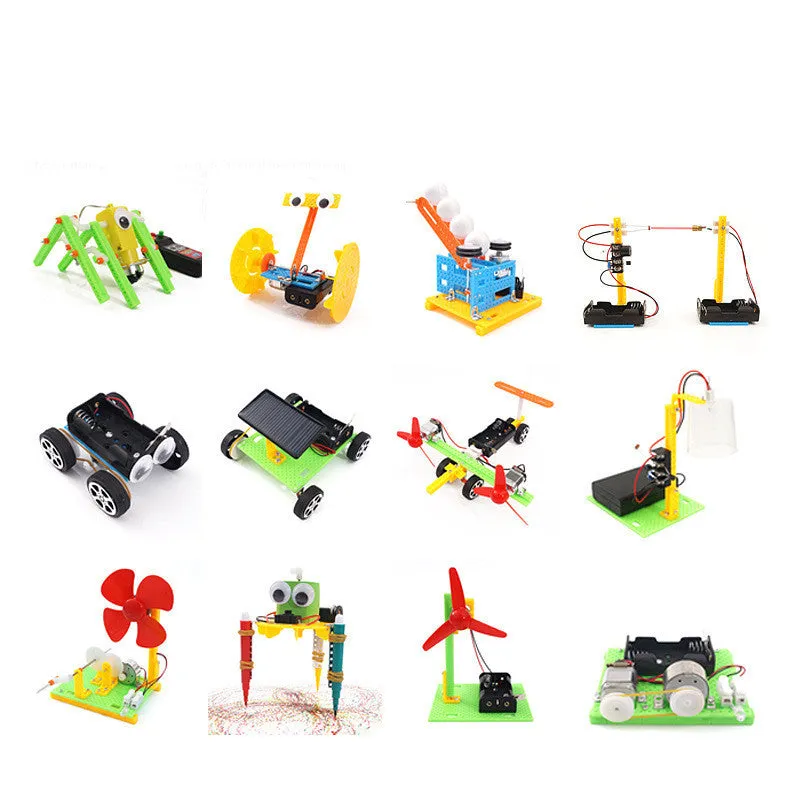
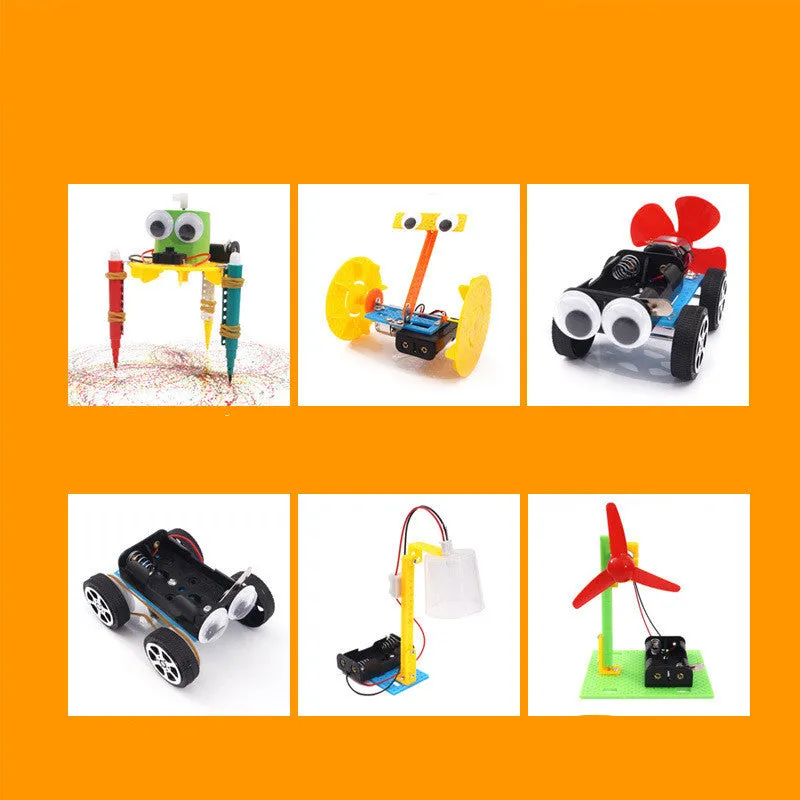
DIY puzzle assembling building blocks science experiment teaching aids for children aged 7-14 years, plastic construction toy set with 6, 9, or 12-piece options measuring 29x22x4cm, designed to develop hands-on and brain skills


DIY puzzle assembling building blocks science experiment teaching aids for children aged 7-14 years, plastic construction toy set with 6, 9, or 12-piece options measuring 29x22x4cm, designed to develop hands-on and brain skills
DIY puzzle assembling building blocks science experiment teaching aids for children aged 7-14 years
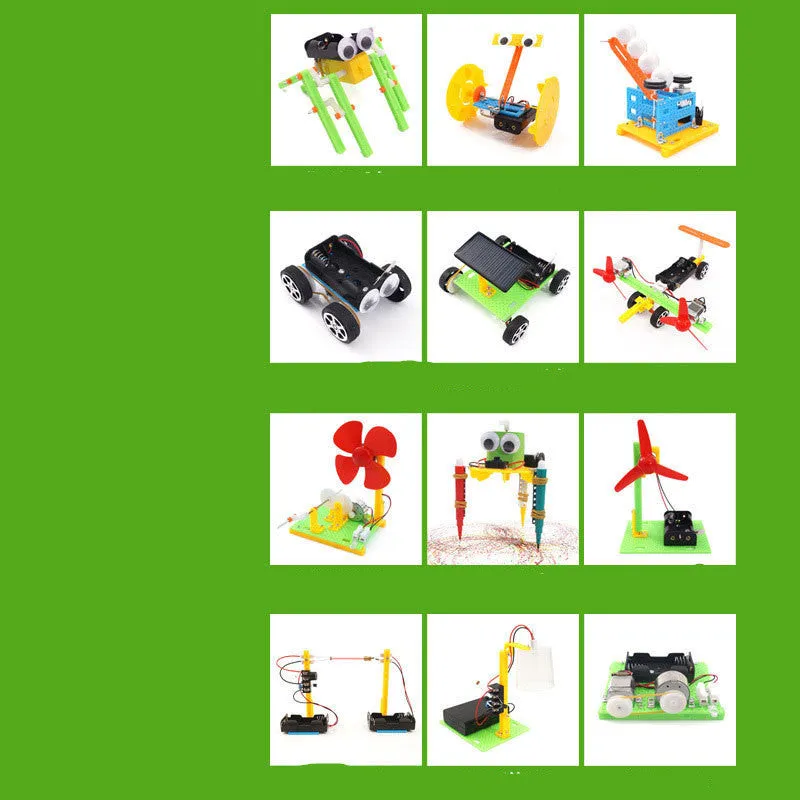
These educational building blocks offer a practical approach to developing manual dexterity and problem-solving skills through hands-on assembly tasks. Designed specifically for children aged 7-14 years, the plastic construction sets provide age-appropriate challenges that encourage cognitive development while engaging young builders in physical creation. Available in three different piece counts, the sets allow for progression in complexity and project scale, making them suitable for both classroom environments and home educational activities. The 29x22x4cm packaging ensures convenient storage and transport between different learning settings.
Features and Construction
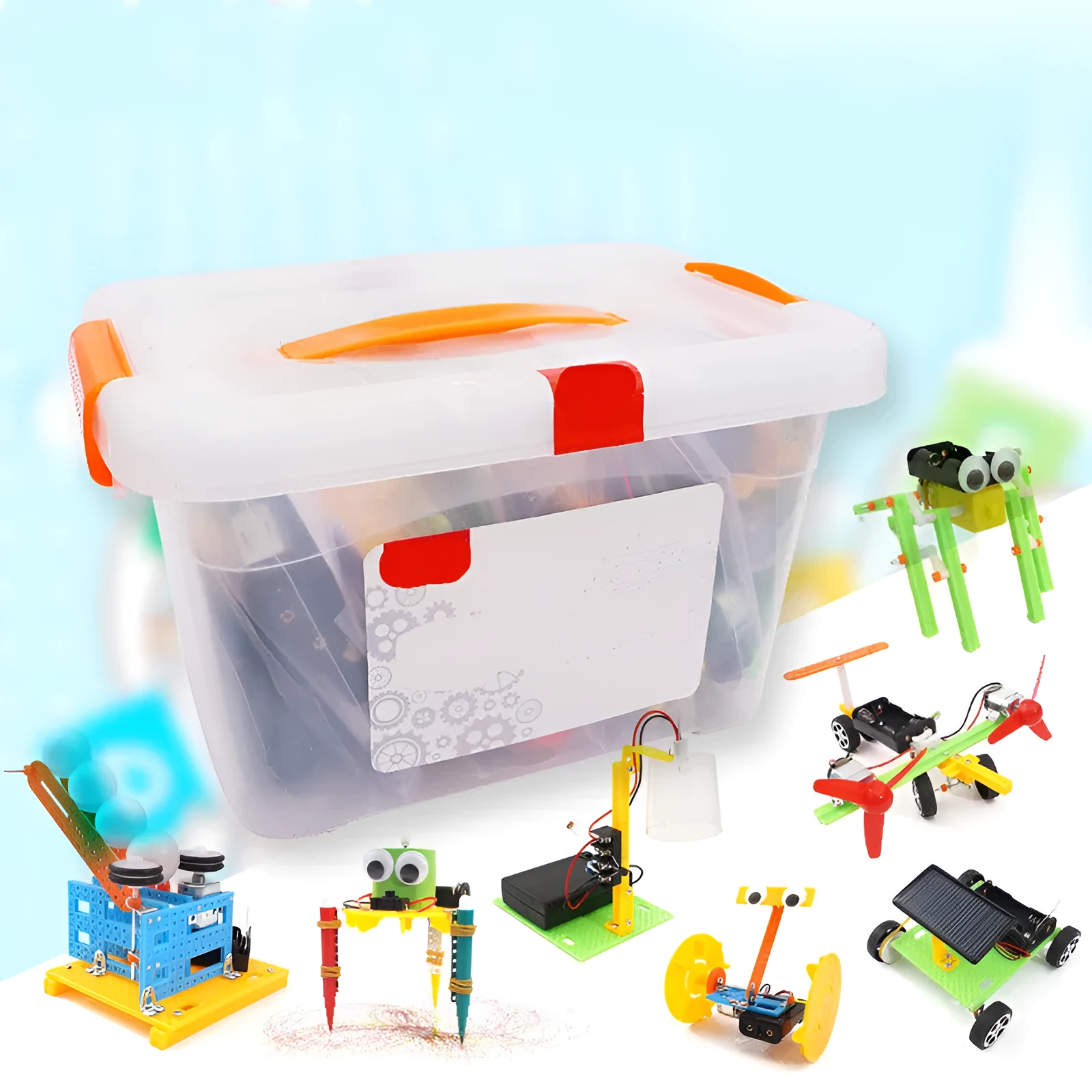
The building block sets focus on practical educational development through physical assembly tasks, providing measurable learning outcomes through structured construction activities.
Material and Build
Constructed from plastic materials chosen for their suitability in educational toy applications, these building blocks offer durability for repeated assembly and disassembly. The plastic construction allows for secure connections between pieces while maintaining ease of handling for children within the specified age range. The materials support hands-on learning experiences that develop fine motor skills through manipulation and connection of components.
Size and Practical Fit
Packaged in dimensions of 29x22x4cm, the sets provide compact storage solutions for educational settings and home environments. The packaging design accommodates all piece configurations while maintaining organisation of components. This practical sizing makes the sets suitable for classroom storage cabinets, home shelving units, and transport between different learning locations.
Uses and Placement
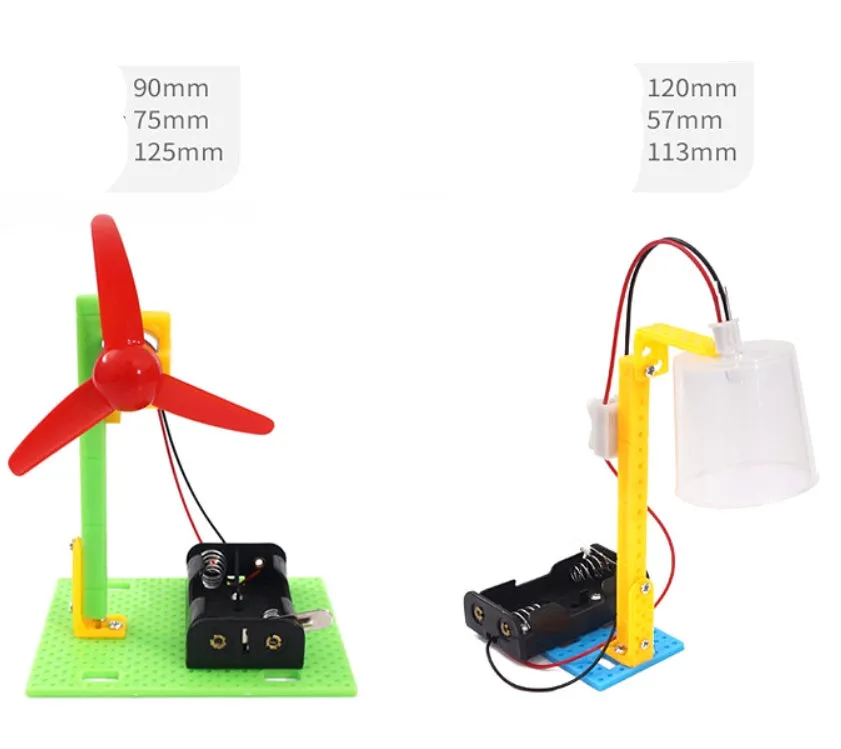
The building blocks serve multiple educational purposes across different environments, from formal classroom settings to informal home learning spaces.
Event or Professional Use
In educational settings, these building blocks function as teaching aids for science experiment concepts and practical assembly skills. The three different set sizes allow educators to match resources to group sizes and project requirements. Classroom applications include developing spatial reasoning, following sequential instructions, and understanding basic engineering principles through hands-on construction tasks.
Everyday Home Use
For home educational activities, the building blocks provide structured play that develops cognitive abilities outside formal learning environments. The age-appropriate design for children aged 7-14 years ensures safety and engagement across different developmental stages. Home use supports the development of patience, attention to detail, and creative problem-solving through self-directed construction projects.
Benefits and Buying Value
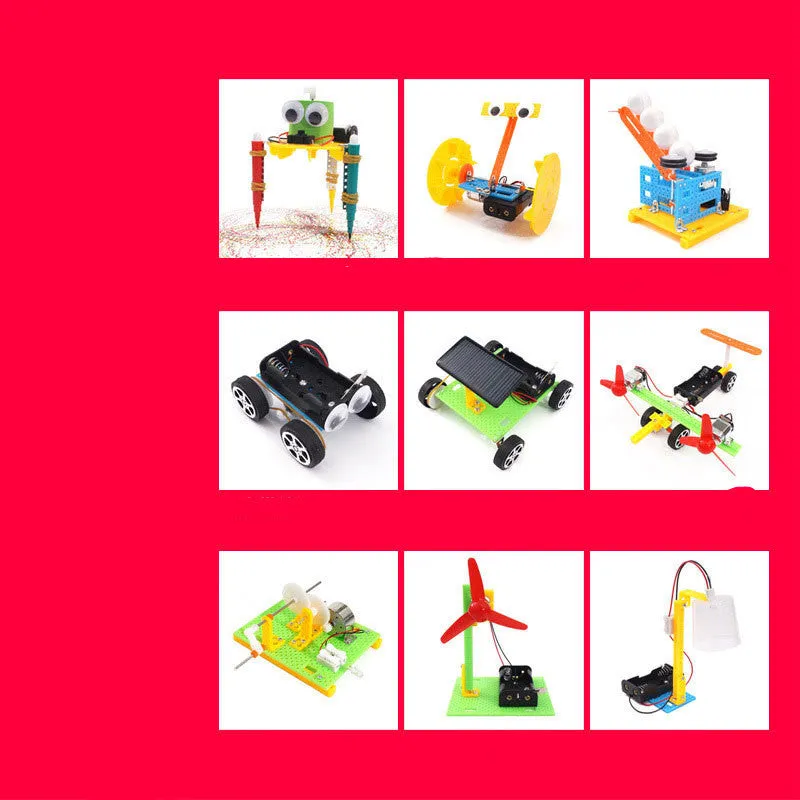
The building blocks offer practical educational value through reusable components and skill development that extends beyond single-use activities.
Reuse and Low Maintenance
The plastic construction allows for repeated assembly and disassembly without degradation of connection points, supporting multiple learning sessions from the same materials. The durable materials maintain their structural integrity through extended use, providing continued educational value over time. Simple storage requirements and resistance to wear make the sets practical for ongoing educational programmes.
Why Choose This Product
This building block set provides specifically targeted educational development for children aged 7-14 years through measurable skill-building activities. The three configuration options allow for progression in complexity as skills develop, offering extended value beyond initial use. The focus on hands-on and brain development addresses multiple learning domains through practical application rather than passive observation.