Desktop DDR3 4GB 1600MHz PC3-12800 Memory Bar Single Module Compatible with AMD Systems for PC Upgrade and Performance Enhancement


Desktop DDR3 4GB 1600MHz PC3-12800 Memory Bar Single Module Compatible with AMD Systems for PC Upgrade and Performance Enhancement
4GB DDR3 1600MHz Desktop Memory Module Compatible with AMD Systems
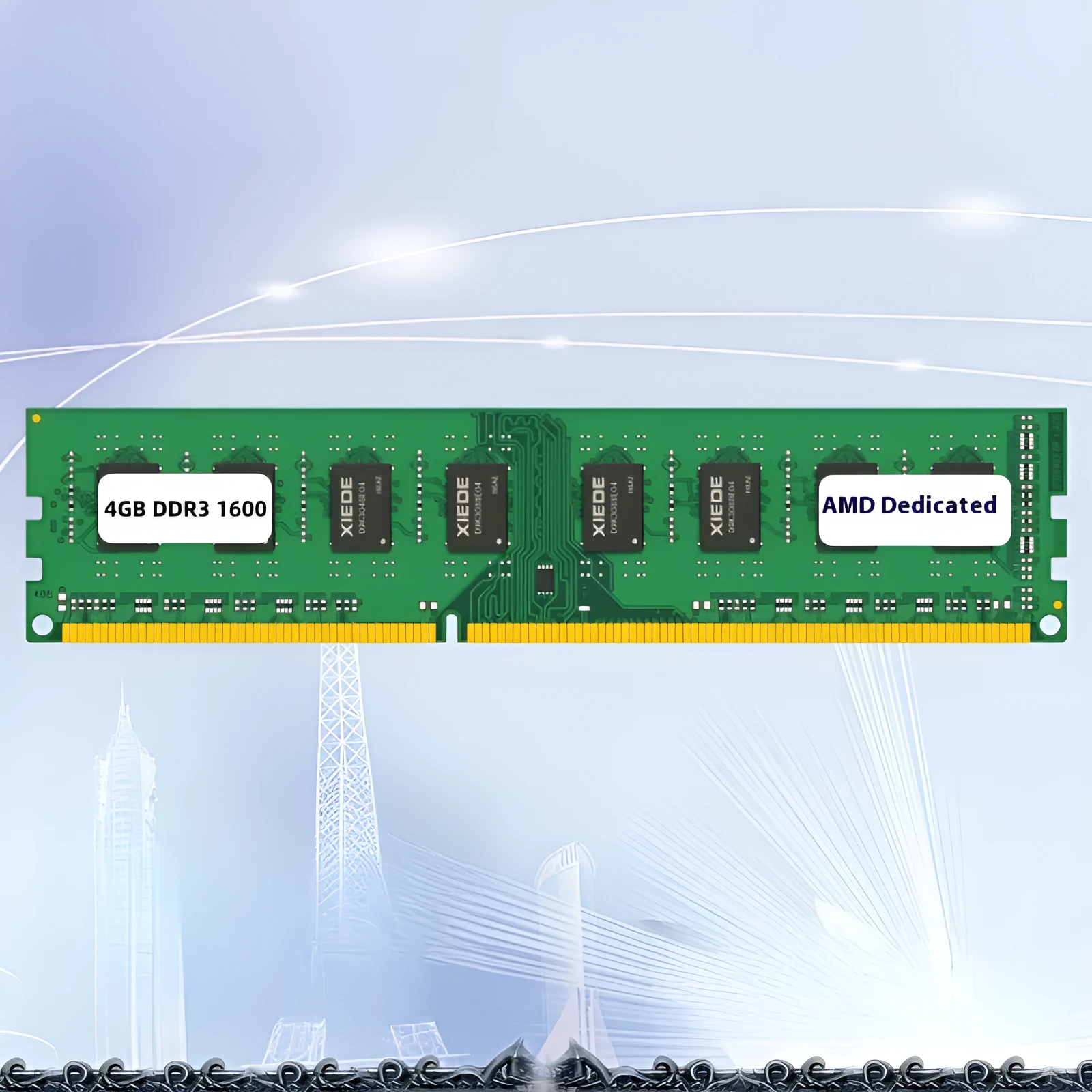
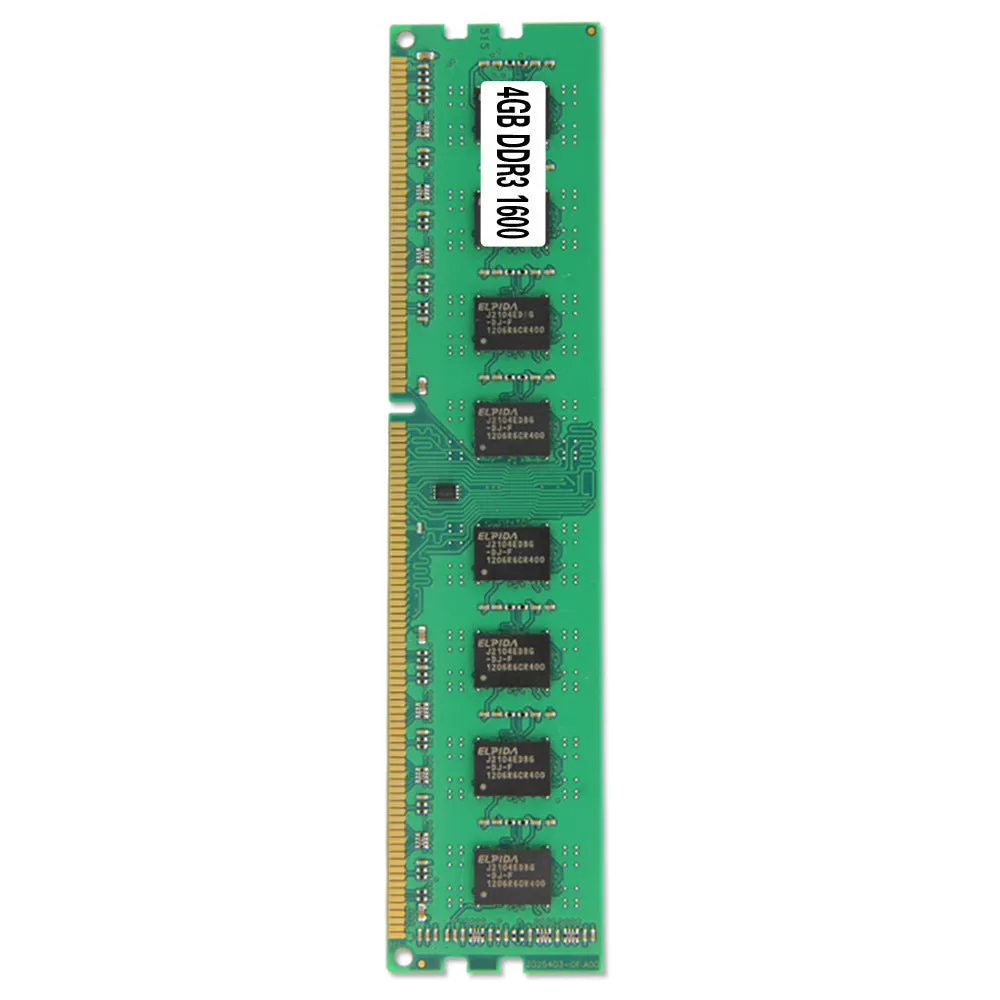
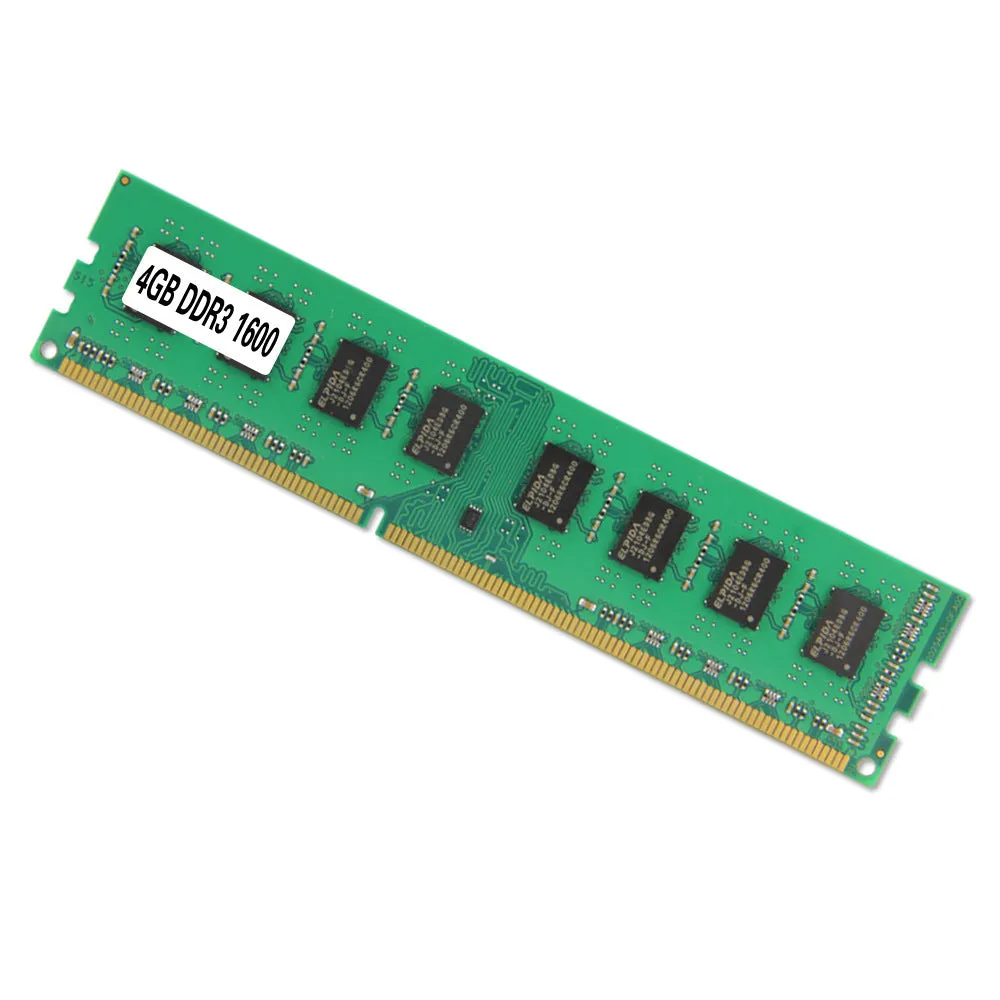
This single 4GB DDR3 memory module operates at 1600MHz frequency and follows PC3-12800 specifications, designed specifically for desktop computer systems with AMD compatibility. As a straightforward memory upgrade solution, it provides increased capacity for improved multitasking capabilities and system performance without requiring complex installation or configuration. The single-module format simplifies the upgrade process for users seeking to expand their computer's memory capacity with a compatible DDR3 solution.
Features and Construction

This desktop memory module focuses on core specifications and compatibility requirements for straightforward system upgrades. With DDR3 technology and AMD system support, it provides a practical memory expansion option for compatible desktop configurations.
Material and Build
The module utilises standard DDR3 memory technology with components typical of PC3-12800 specification memory products. While specific material details beyond the DDR3 classification are not provided in the source text, the module follows industry-standard construction for desktop memory modules. Compatibility with AMD systems indicates appropriate timing and voltage specifications for those platforms.
Size and Practical Fit
As a desktop memory module, it follows standard form factor dimensions for DDR3 memory installation in desktop motherboard slots. The single 4GB capacity provides a balanced upgrade option that can work alongside existing memory modules in many systems or serve as a standalone memory solution. Without specific physical measurements in the source text, users should verify standard DDR3 desktop module dimensions for their particular computer case and motherboard configuration.
Uses and Placement
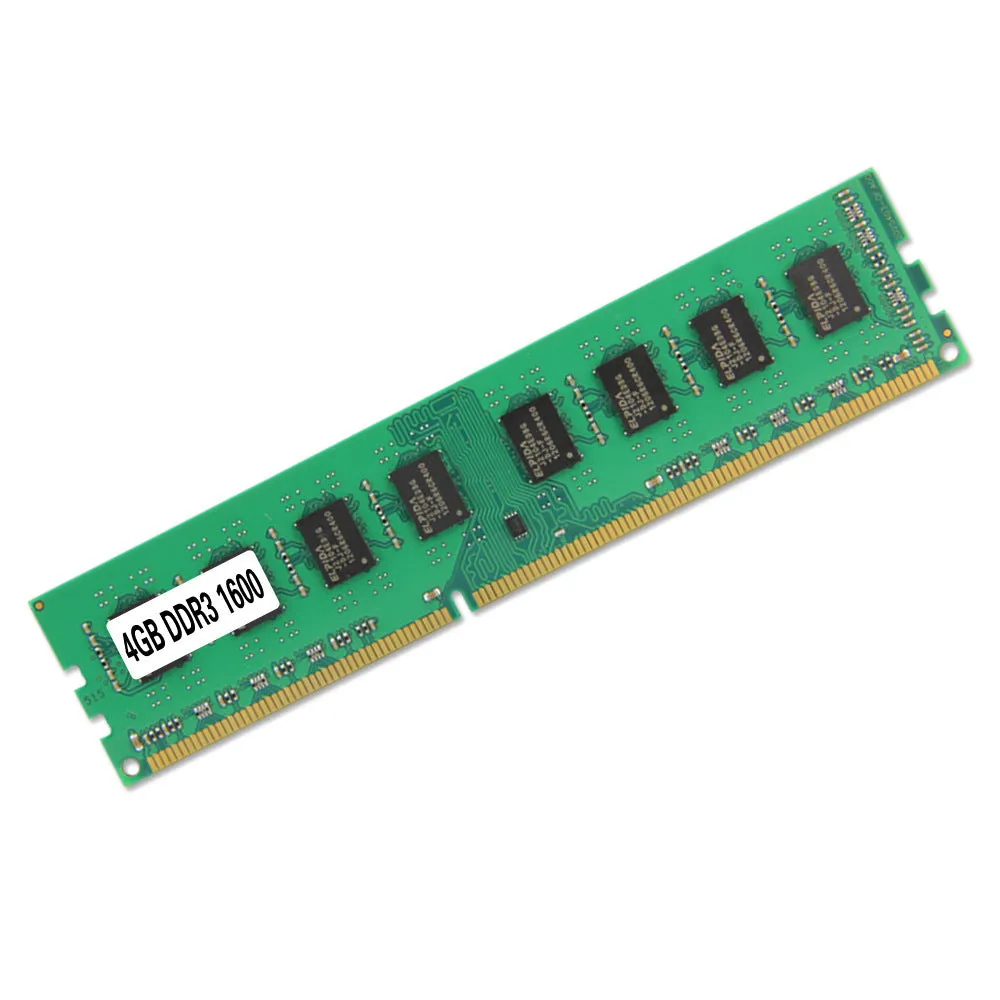
This memory module serves multiple practical applications from basic system upgrades to more specific performance requirements. Its AMD compatibility and desktop focus make it suitable for various computing scenarios where additional memory capacity is needed.
Event or Professional Use
For professional environments or event setups requiring reliable desktop systems, this memory module can help maintain system responsiveness during extended operation. The 4GB capacity at 1600MHz provides sufficient memory for office applications, basic design software, and multitasking between productivity tools. AMD system compatibility ensures it works with a range of desktop configurations commonly found in work environments.
Everyday Home Use
In home desktop computers, this module supports everyday computing tasks including web browsing, document processing, media playback, and light gaming. The single-module format simplifies installation for users performing their own computer upgrades, while the 4GB capacity represents a practical increase for systems currently operating with less memory. DDR3 1600MHz specifications balance performance with compatibility for older desktop systems still using DDR3 technology.
Benefits and Buying Value

This memory module offers specific advantages for users seeking to extend the useful life or improve the performance of their existing desktop systems without complete system replacement.
Reuse and Low Maintenance
By upgrading an existing desktop system with additional memory, users can extend the practical lifespan of their current computer hardware. Memory modules generally require minimal maintenance once properly installed, with no moving parts to wear out or require regular servicing. The single-module format reduces potential compatibility issues compared to multiple-module configurations.
Why Choose This Product
This specific memory module provides clear specifications (4GB, DDR3, 1600MHz, PC3-12800) with stated AMD compatibility for users seeking a straightforward memory upgrade solution. The single-module packaging simplifies purchase decisions by providing exactly one memory stick rather than requiring users to buy multiple modules. For desktop systems still utilising DDR3 technology, this represents a cost-effective upgrade path compared to complete system replacement.