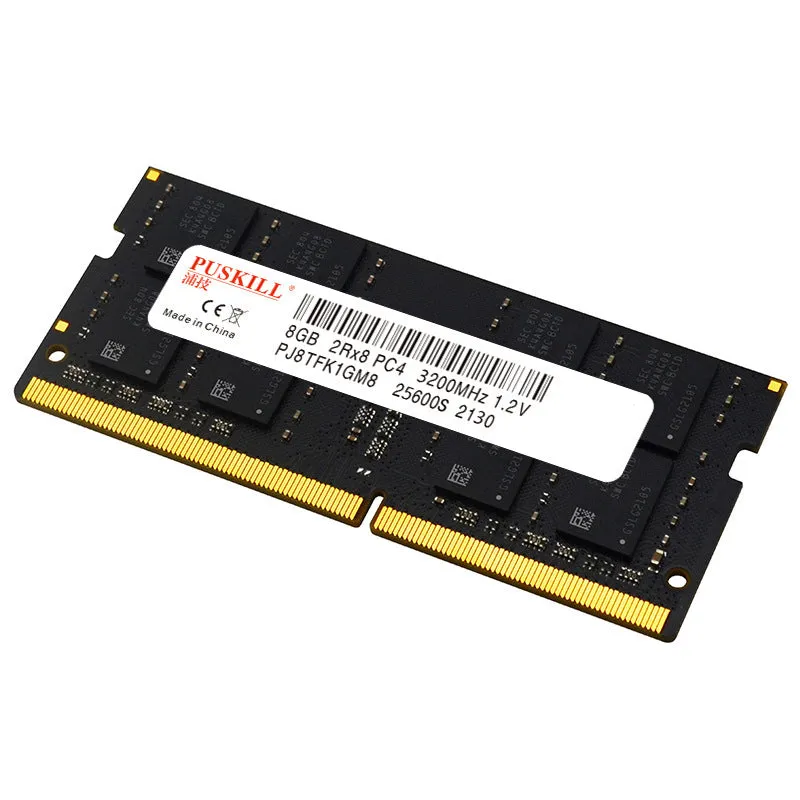
DDR4 Notebook Memory Bar Laptop RAM Module Single 69x30x37mm Size 260 Pin DDR4L with Multiple Frequency Options Available Including 2400MHz 2666MHz 3200MHz Capacity Selections 4GB 8GB 16GB 32GB


DDR4 Notebook Memory Bar Laptop RAM Module Single 69x30x37mm Size 260 Pin DDR4L with Multiple Frequency Options Available Including 2400MHz 2666MHz 3200MHz Capacity Selections 4GB 8GB 16GB 32GB
DDR4 Notebook Memory Bar: Single Module for Laptop RAM Upgrades
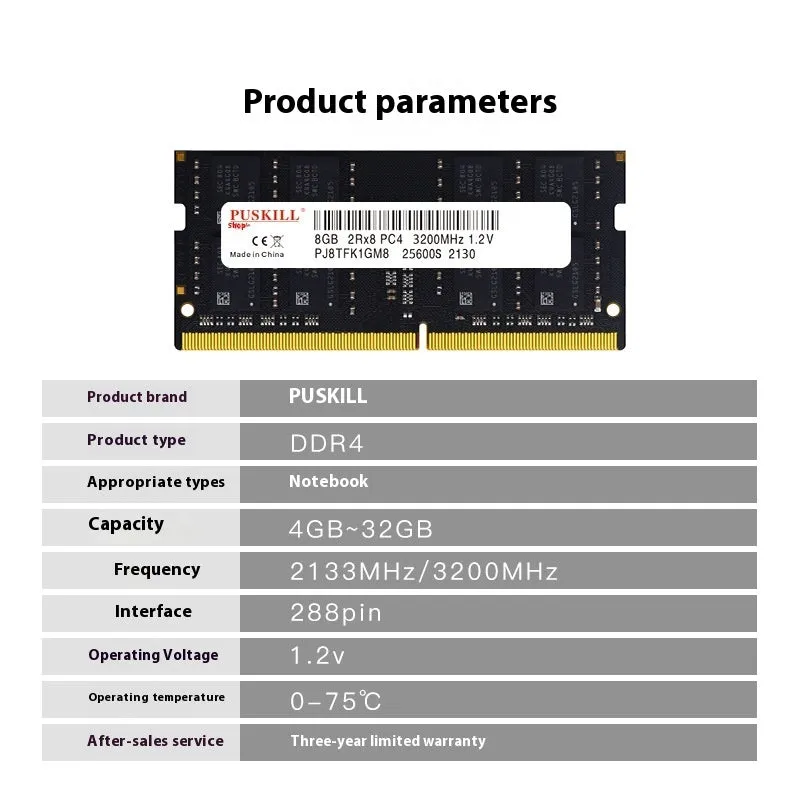
Upgrading the RAM in a laptop can be a straightforward way to improve its performance for tasks like multitasking, running more demanding applications, or general system responsiveness. This product is a DDR4 memory module specifically designed for the notebook form factor. Supplied as a single bar, it provides a solution for laptops with an available memory slot or for replacing an existing module. Compatibility is key, so verifying your laptop's support for DDR4 technology, along with its maximum capacity and frequency limits, is an essential first step before considering this upgrade path.
Features and Construction
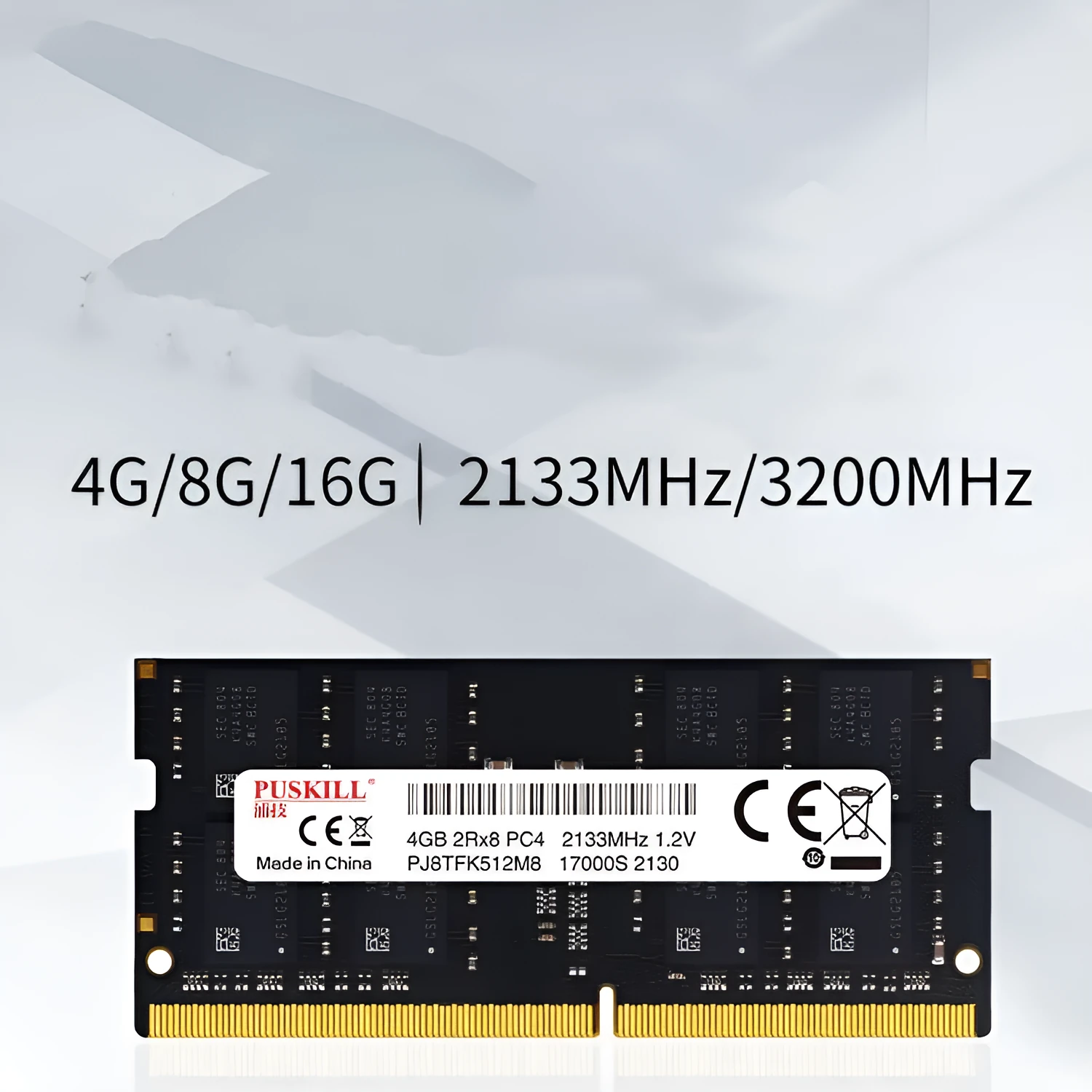
This memory module is built to the physical and electrical standards required for installation in modern laptops. Its design focuses on compatibility with the space constraints and connector types found in portable computers.
Material and Build
The module is constructed on a Printed Circuit Board (PCB) that houses the memory chips and routes the necessary electrical connections. It terminates in a 260-pin edge connector, which is the standard interface for DDR4 SO-DIMM (Small Outline Dual In-line Memory Module) slots used in laptops. The components are selected and assembled to meet the operational specifications for DDR4 memory, including the relevant voltage and timing parameters.
Size and Practical Fit
The module's compact dimensions are crucial for fitting inside a laptop's internal chassis. It measures 69 millimetres in length, 30 millimetres in width, and 37 millimetres in height. This small form factor is a defining characteristic of laptop memory, distinguishing it from the larger DIMMs used in desktop computers. The size ensures it will physically slot into the memory bays of compatible laptop models.
Uses and Placement
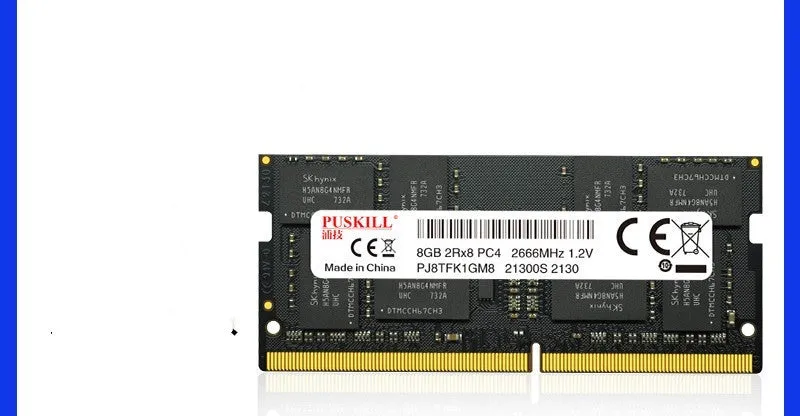
This memory bar has a clear primary use case: increasing or replacing the Random-Access Memory (RAM) in a compatible laptop computer. The benefits of such an upgrade depend on the user's current system configuration and workload.
Event or Professional Use
For users who rely on their laptops for work, content creation, or data analysis, adding more RAM can help applications run smoother. It may allow for keeping more programmes and browser tabs open simultaneously without the system slowing down or relying heavily on slower virtual memory on the storage drive. A higher frequency module (where supported by the laptop) can also contribute to marginally faster data transfer rates between the RAM and the processor.
Everyday Home Use
For general home computing, an upgrade from a very low capacity (like 4GB) to 8GB or 16GB can provide a noticeable improvement in everyday responsiveness, especially when using modern web browsers and applications. It can extend the usable life of an older laptop that feels sluggish, providing a cost-effective performance boost compared to purchasing a entirely new machine, assuming other components like the CPU and storage are still adequate.
Benefits and Buying Value
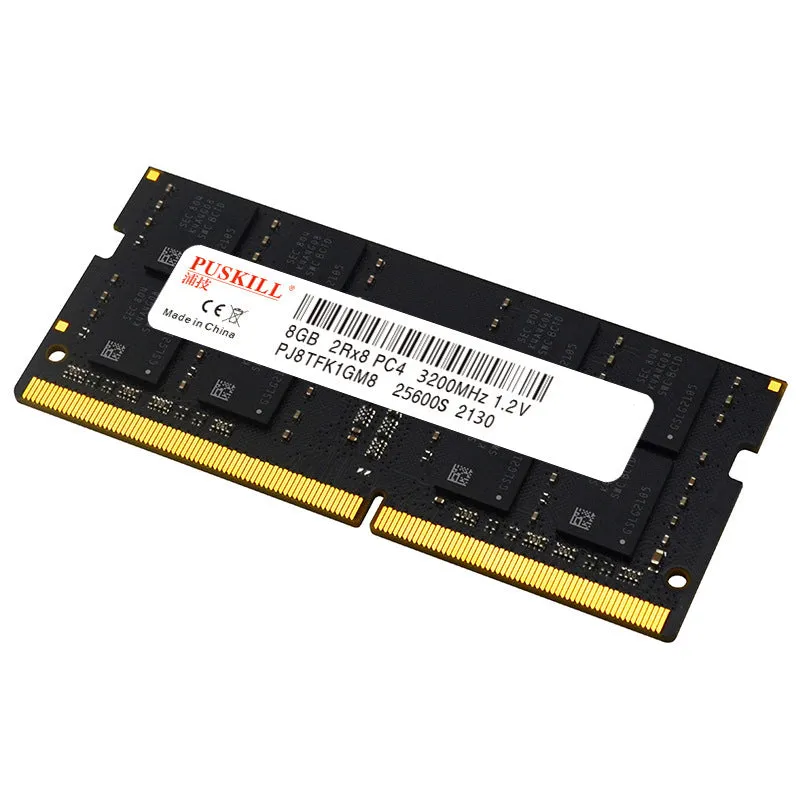
The value of this product lies in its specificity to the laptop upgrade market and the range of options provided. It offers a targeted solution for a common computing need.
Reuse and Low Maintenance
RAM modules themselves are solid-state components with no moving parts, which typically translates to high reliability and no required maintenance once installed. A successful upgrade can rejuvenate an existing laptop, allowing it to continue serving its purpose effectively. It is a component that can sometimes be reused in another compatible system if the original laptop is retired.
Why Choose This Product
This product provides a clear selection of capacities (4GB, 8GB, 16GB, 32GB) and frequencies (2400MHz, 2666MHz, 3200MHz), allowing buyers to match a specification that meets both their performance needs and their laptop's compatibility limits. The single-module packaging is suitable for systems with one free slot or for those performing a direct replacement. The explicitly stated 260-pin interface and compact 69x30x37mm dimensions provide the concrete details needed to verify physical compatibility before purchase.