
ATMEGA32U4 USB development board virtual keyboard microcontroller programmer, compact 50mm by 16mm single chip microcomputer programming kit with USB disk for keyboard firmware development and embedded systems projects.


ATMEGA32U4 USB development board virtual keyboard microcontroller programmer, compact 50mm by 16mm single chip microcomputer programming kit with USB disk for keyboard firmware development and embedded systems projects.
ATMEGA32U4 USB Development Board: Compact Virtual Keyboard and Microcontroller Programmer

This development board centres on the ATMEGA32U4 microcontroller, a chip designed with built-in USB 2.0 support, making it an efficient choice for developers creating custom USB Human Interface Devices (HIDs). Its primary application is in projects requiring a programmable USB interface, such as bespoke virtual keyboards, macro controllers, or other input devices. By providing the USB hardware layer on-chip, it removes significant complexity from the development process, allowing creators to focus on their specific application logic and key mapping. The kit arrives ready for basic use, containing the core programmable board and a USB storage device for transferring code and tools, offering a practical starting point for embedded systems and hardware prototyping work.
Features and Construction
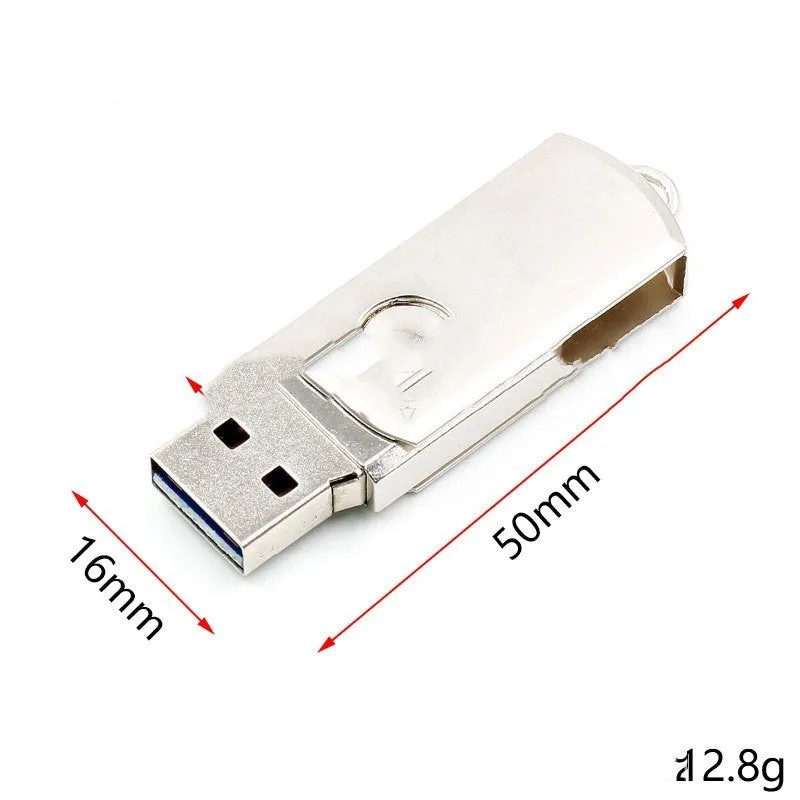
This board is defined by its specific microcontroller and its physical design, prioritising a minimal footprint for development and integration. The provided specifications give a clear picture of its core capabilities and physical form, which are essential for planning how it will fit into a larger project or enclosure.
Material and Build
The board's functionality is anchored by the ATMEGA32U4 microcontroller, an AVR-based chip that integrates a full-speed USB 2.0 controller. This integration is the board's main technical advantage, as it allows the device to act as a USB peripheral—like a keyboard or mouse—without requiring external USB controller chips. The construction involves this microcontroller soldered onto a standard printed circuit board (PCB) alongside the necessary supporting components for stable operation, such as voltage regulation, a crystal oscillator for timing, and status LEDs. The build focuses on providing the essential signals and power connections for programming and USB communication.
Size and Practical Fit
The board's dimensions are a key practical detail: it measures 50mm in length by 16mm in width. This compact size is a significant consideration for developers, as it allows the board to be incorporated into final project designs where space is at a premium, such as inside a custom keyboard case or a small control panel. The small form factor does not typically compromise the accessibility of critical input/output pins, which are usually arranged along the board's edges for connecting switches, sensors, or other peripherals. This balance of small size and accessible interfaces makes it suitable for both prototyping and final product integration.
Uses and Placement

The ATMEGA32U4 development board serves specific roles in both hobbyist and professional electronics workflows. Its use cases are directly tied to the capabilities of its microcontroller, enabling a range of projects from simple automation tools to complex custom input devices.
Event or Professional Use
In professional or event settings, this board can be the foundation for reliable, custom-built USB interface devices. For example, it can be programmed to create specialised keyboards for point-of-sale systems, broadcast equipment control surfaces, or accessibility aids that require unique key layouts. Its native USB support ensures compatibility with virtually any modern computer without needing custom drivers for basic HID functions. Developers can use it to prototype and then produce small batches of custom input devices for specific commercial or industrial applications where off-the-shelf controllers are unsuitable.
Everyday Home Use
For hobbyists and makers, this board opens doors to a wide array of personal projects. A common application is building a fully programmable mechanical keyboard or a dedicated macro pad for gaming or productivity software automation. It can also be used to convert non-USB vintage keyboards or game controllers to work with modern computers. Another popular use is creating smart home controllers or interactive art installations that require simple, reliable USB input to a PC. The included USB disk provides an easy way to load the necessary Arduino IDE packages or other AVR toolchains, lowering the barrier to entry for enthusiasts.
Benefits and Buying Value
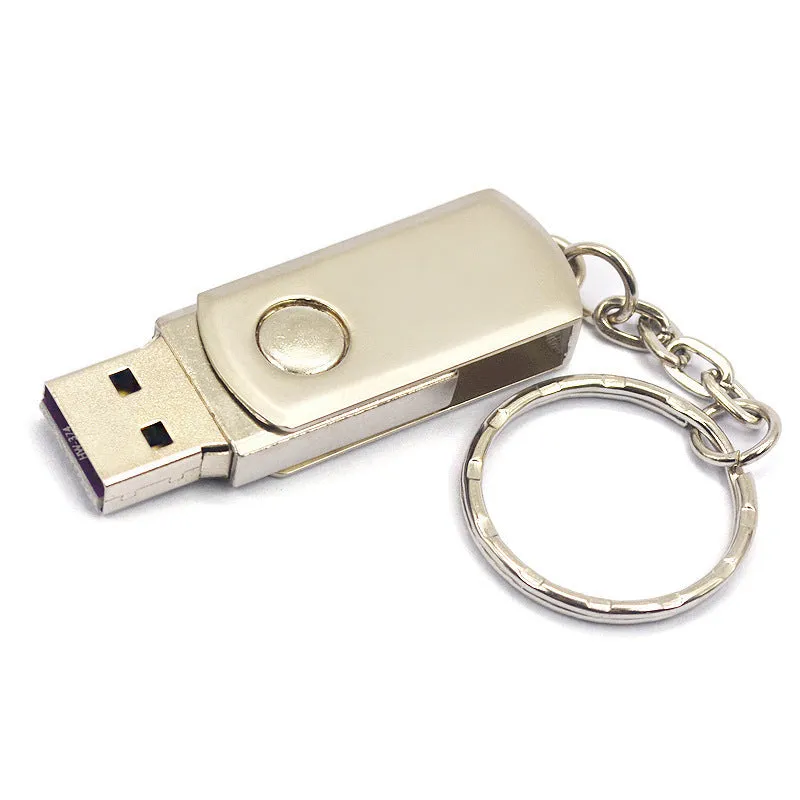
The value of this development board lies in its focused specification and the time it saves in the development cycle. It offers a direct path to creating USB-interfaced products without the overhead of learning complex USB protocol stacks or sourcing multiple discrete components.
Reuse and Low Maintenance
As a development platform, the board is designed for repeated programming cycles. The ATMEGA32U4 chip can be flashed with new firmware countless times, allowing for iterative testing and feature development. Once a project is finalised, the same board can often be used as the core of the final product, provided its size and I/O meet the requirements. Maintenance is minimal; the solid-state components have no moving parts, and the design does not typically require calibration or complex configuration beyond the initial software setup.
Why Choose This Product
Choosing this specific board is a decision based on its confirmed specifications: the ATMEGA32U4 microcontroller and the 50mm x 16mm form factor. If your project requires native USB device emulation—particularly for keyboard or mouse functions—and must fit within a tight spatial budget, this board provides a verified solution. The inclusion of the USB disk adds immediate utility, providing a known-good method for loading the initial development software. It represents a self-contained starting point for moving from a software concept to a functional USB hardware prototype, consolidating several necessary components into one purchasable unit.
